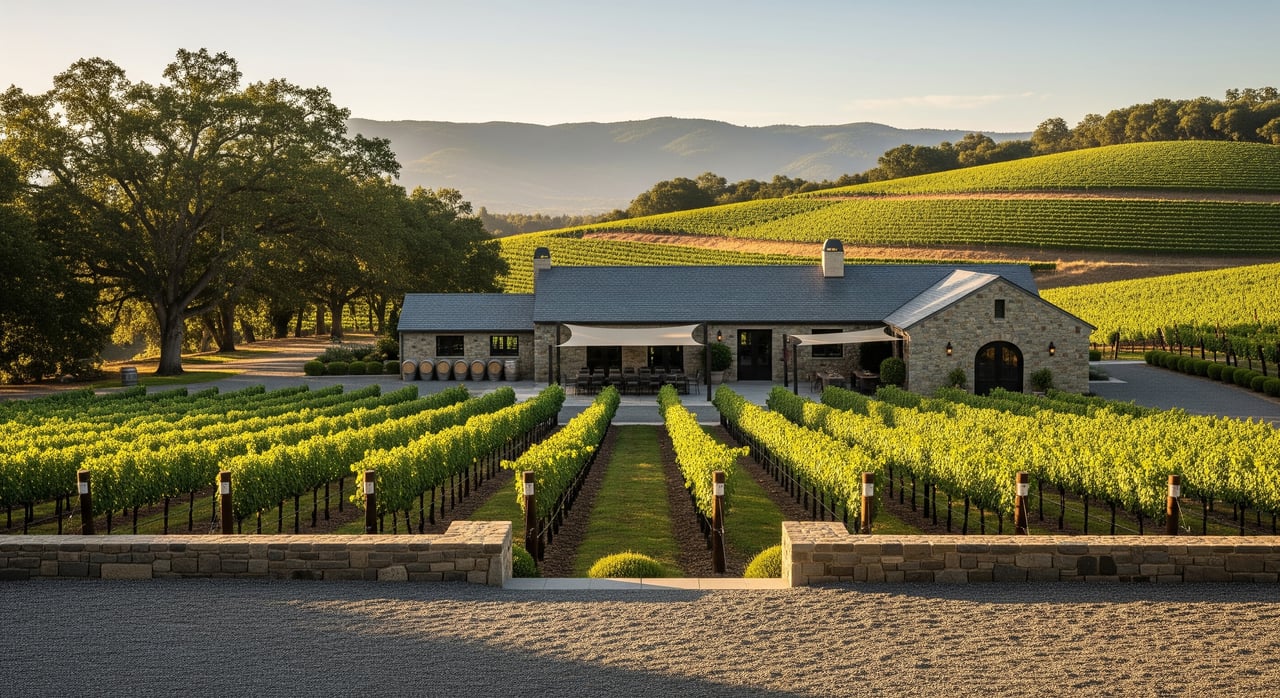
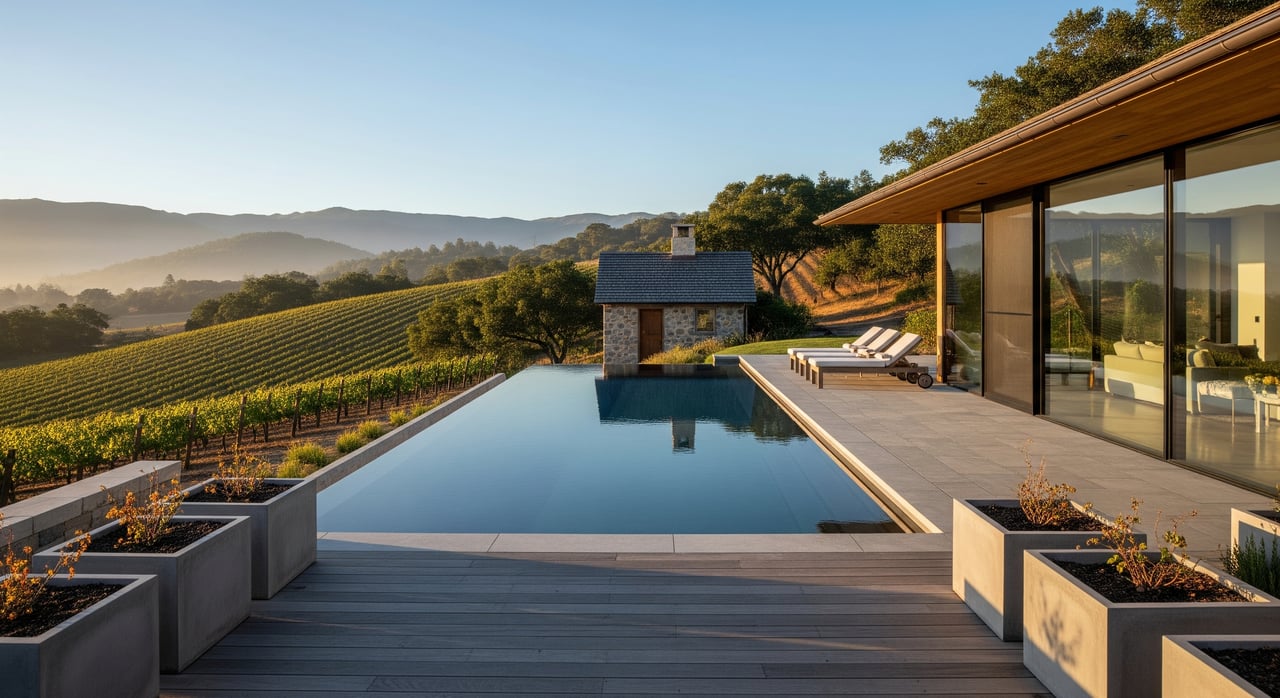
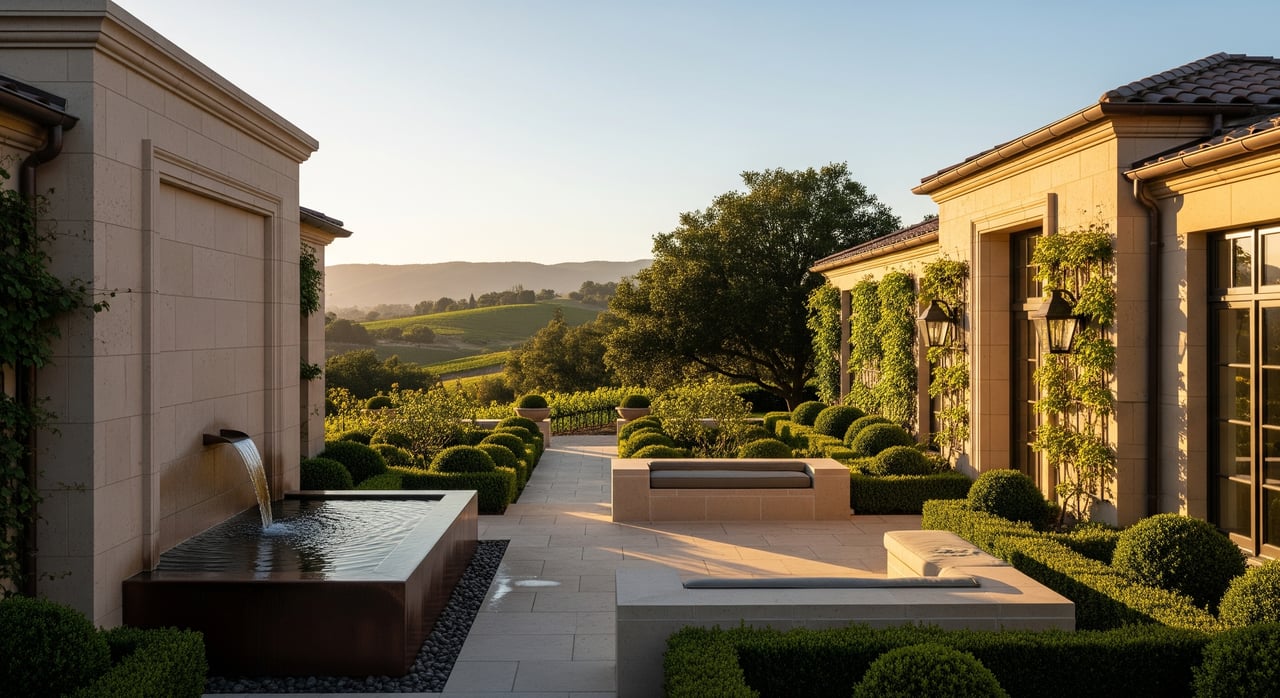
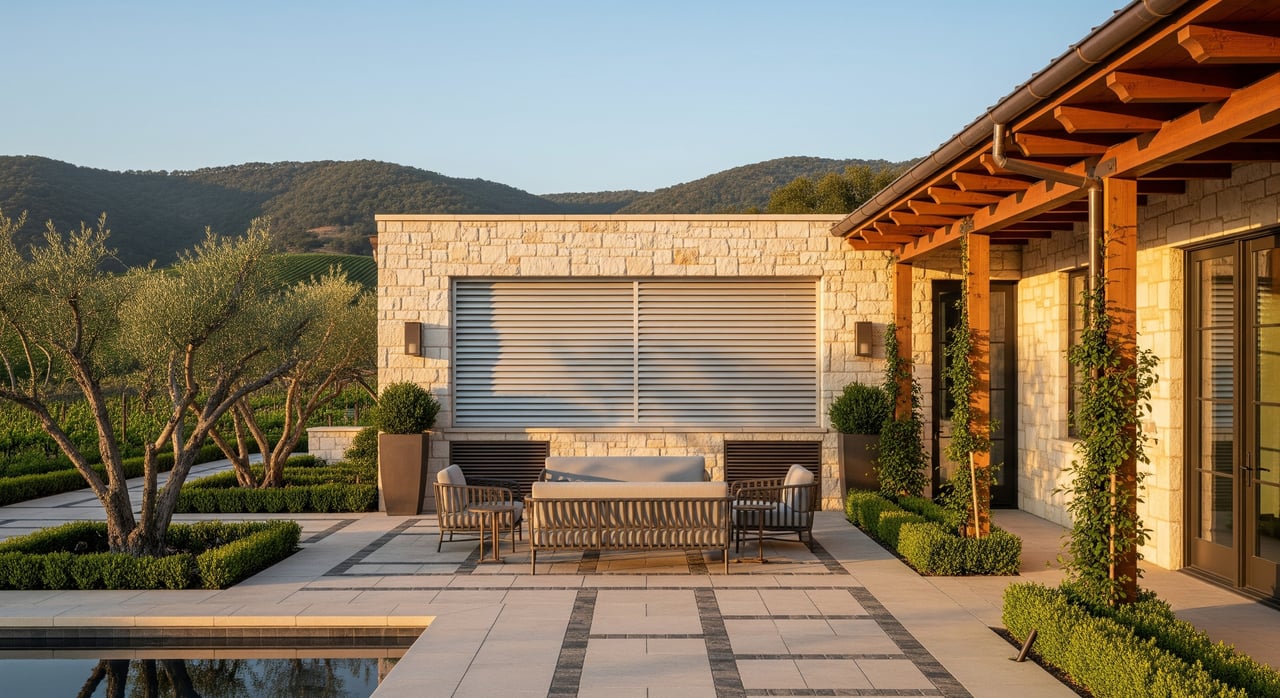
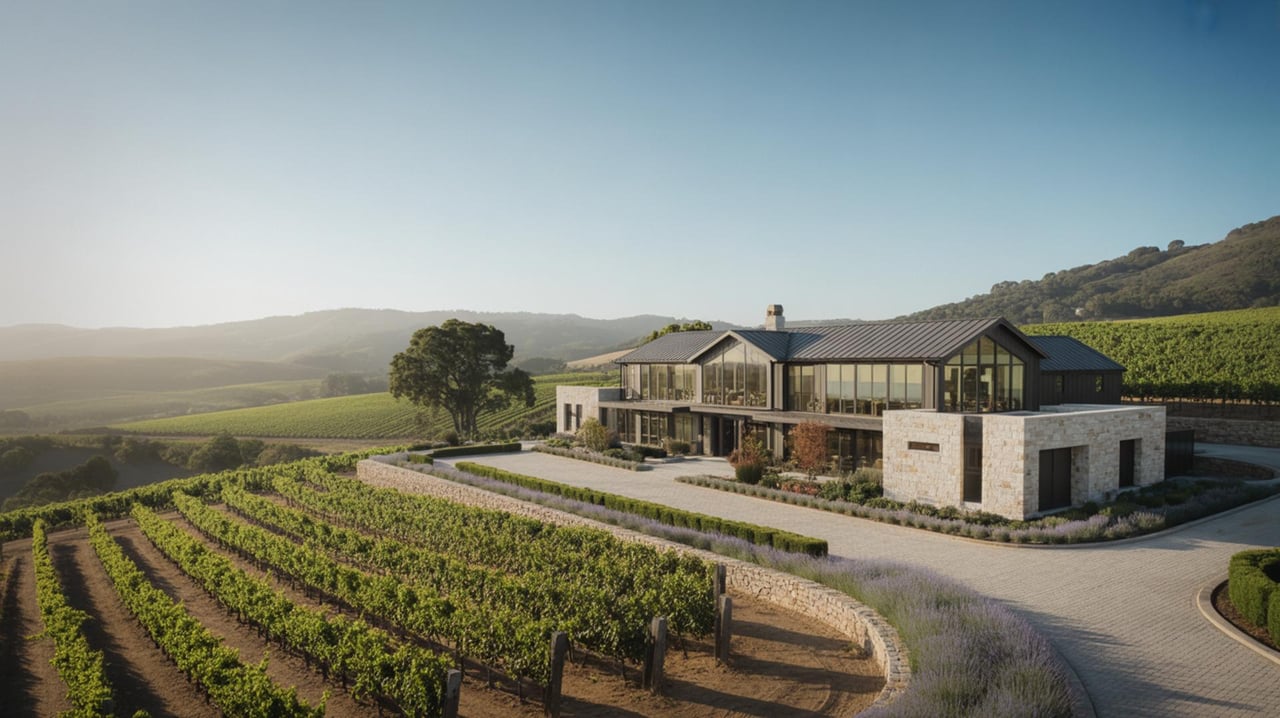
Does an AVA name change what your Napa estate is worth? In Napa Valley, it often does. You want clarity on how those three letters connect to the ground under your feet, the wine in your glass, and the long‑term value of your property. In this guide, you’ll learn how AVAs work, how terroir factors like elevation and soils shape desirability, and what to evaluate if you are buying or selling in Oakville or nearby. Let’s dive in.
AVA basics and why they matter
An American Viticultural Area, or AVA, is a federally recognized grape‑growing region defined by geography, climate, soils, and boundaries. It is an administrative designation created and approved by the TTB. It is not a guarantee of quality, but it does shape perception and marketing potential.
One key rule influences value. If a wine label names an AVA, at least 85% of the grapes must come from that AVA. This rule protects provenance. It also gives well‑known AVAs marketing weight, which can translate into stronger buyer demand for estates within those lines.
For you, this means the AVA on a parcel supports story, prestige, and potential price. Still, the AVA name is only one part of the equation. Vineyard layout, vine age, farming, and winemaking capabilities also drive outcomes.
Terroir factors that drive value
Terroir is the physical environment of a site. In Napa, its components can materially influence both wine quality and estate desirability.
Climate and microclimate
Napa’s climate trends from cooler near San Pablo Bay to warmer inland zones. Warm valley floors and benches favor Bordeaux reds, especially Cabernet Sauvignon, which often commands higher prices in Napa. Cooler, fog‑touched areas support varieties like Pinot Noir and Chardonnay. Your site’s degree days, diurnal swing, and frost risk all shape viability and value.
Elevation, slope, and exposure
Higher elevations are generally cooler with more wind and different sun angles. Slopes can improve drainage and reduce frost pockets. South and southwest exposures capture more sun, which can aid ripening in cooler spots. Steeper slopes may yield concentrated fruit but cost more to plant and maintain, while flatter land is simpler to farm but often produces higher yields and different wine styles.
Soils and drainage
Napa includes alluvial gravels and sands, volcanic and basaltic soils, clay loams, and marine deposits. Well‑drained gravels can limit vigor and concentrate flavor, which suits premium red grapes. Clay holds water and can increase vigor, which requires careful management. Oakville soils often include well‑draining alluvial mixes that pair well with Cabernet.
Water and frost
Water access and permits are essential. Drought and water regulation add long‑term costs. Low‑lying areas can collect cold air and raise frost risk, while slopes may reduce frost but require erosion control and runoff planning.
Varietal fit and market demand
Cabernet Sauvignon leads Napa’s top‑value production, especially where terroir supports it. In AVAs like Oakville, the market often evaluates estates through the lens of Cabernet potential. Your site’s fit with a varietal, and how that matches the AVA’s reputation, influences pricing.
Oakville spotlight: what to look for
Oakville sits in central Napa Valley with valley floor and benchland parcels. The area offers excellent sun exposure and well‑drained alluvial gravels and loams that suit Cabernet Sauvignon and other Bordeaux varieties. The AVA carries strong name recognition and proximity to Yountville and St. Helena, which enhances lifestyle appeal for many buyers.
For an Oakville estate, consider both prestige and practicality:
- Vineyard setup on flatter land is often more straightforward, while bench sites can deliver premium characteristics with added complexity and cost.
- Tourism energy can be a benefit for amenities and access. It can also introduce traffic and visitor activity that some buyers prefer to avoid.
- The Oakville name may support pricing, but documented vineyard performance, soil profiles, water security, and operational permits help determine the true premium.
Turning AVA and terroir into economics
Value drivers
- Prestige and recognition: Inclusion in a renowned AVA can elevate perceived value and marketing potential.
- Yield and quality balance: Lower yields on premium sites can support higher grape and wine prices. Buyers often pay for quality potential, not just acreage.
- Visitor ecosystem: Established hospitality nearby can boost lifestyle and potential tasting traffic, while also adding local activity to manage.
- Protection of rural character: Napa County’s agricultural preservation and zoning can limit density, which protects landscape value while constraining alternative uses.
Costs that shape net value
- Vineyard establishment and replanting: Trellising, irrigation, plant material, and development add capital costs.
- Annual operations: Labor, canopy and pest management, water and frost protection, and equipment.
- Regulatory compliance: Grading, water use, environmental mitigation, and permits for vineyards and winery use.
- Insurance and wildfire readiness: Napa’s wildfire risk influences insurability and mitigation budgets.
Key risks to weigh
- Wildfire and smoke taint exposure and related air quality concerns.
- Climate shifts that may alter ideal varietal zones over time.
- Water scarcity and evolving rules around diversions and groundwater.
- Market concentration, where established brands can dominate top price tiers.
Due diligence checklist for buyers and sellers
Use this focused list to validate value and reduce surprises.
- Confirm AVA boundaries: Verify the parcel sits where you think it does and understand the 85% rule for labeling.
- Get soil and site data: Pull NRCS maps, then engage a soil scientist or viticulturist to assess depth, drainage, and rock content.
- Review climate and frost patterns: Look at historical degree days, fog influence, wind, and solar exposure.
- Assess water and hydrology: Confirm water rights, wells, irrigation systems, surface access, and drought impacts.
- Check zoning and land use: Napa County rules on agricultural preserves, vineyard conversion, stream setbacks, oak protections, and CEQA triggers matter.
- Compile vineyard history: Yields, vine age, rootstocks and clones, pest and disease history, and irrigation records.
- Understand winery requirements: TTB licensing, county use permits, ABC issues, wastewater handling, and on‑site processing rules if relevant.
- Map risks: Wildfire hazard, insurance options, smoke‑taint history, and long‑term climate projections.
- Run an economic model: Establishment or replant costs, expected yields, target grape price ranges, labor availability, and infrastructure needs.
- Engage specialists: Viticulturist, soil scientist, hydrologist, land‑use attorney, surveyor, and a real‑estate advisor experienced with vineyard and estate transactions.
Seller moves that capture the AVA premium
- Assemble authoritative maps and documentation showing AVA boundaries, soils, and parcel specifics.
- Present vineyard production records and vine lineage to demonstrate consistency and quality.
- Prepare a water and permits dossier that outlines rights, well data, and use approvals.
- Highlight site assets like exposure, drainage, benchland character, and access, while being transparent about slope, frost, or wildfire mitigation.
- Curate lifestyle context that is relevant to buyers, including proximity to dining, art, and trail networks, without overstating claims.
Buyer strategy across nearby AVAs
If Oakville is your benchmark, here is how nearby AVA traits may guide your search:
- Rutherford: Benchland gravels, strong Cabernet reputation, and historic identity. Parcels with proven quality can command premiums.
- Stags Leap District: Southern valley location with volcanic and alluvial soils. Renowned for distinct Cabernet styles in a small, sought‑after AVA.
- Mountain AVAs (Howell Mountain, Atlas Peak, Mount Veeder): Higher elevations, steeper slopes, and volcanic soils. Expect lower yields, strong quality potential, and more complex development and access.
- Carneros: Cooler, bay‑influenced climate suited to Pinot Noir, Chardonnay, and sparkling. A different market and style profile than central valley AVAs.
Each AVA offers unique strengths. The right choice depends on your varietal goals, appetite for operational complexity, and long‑term plans for production or lifestyle use.
Working with a trusted advisor
A seasoned local advisor helps you weigh AVA prestige against site‑level realities like soils, water, elevation, and regulatory pathways. That combination can unlock value, reduce risk, and streamline ownership, especially if you live out of the area.
If you are considering a purchase or preparing a sale in Oakville or greater Napa Valley, connect for a private, data‑driven discussion tailored to your goals. Let’s talk about how your AVA and terroir translate into market value, future flexibility, and day‑to‑day enjoyment.
Ready to explore your options? Let’s Connect with Jacqueline Wessel for discreet guidance and a clear plan.
FAQs
What is an AVA in Napa real estate?
- An AVA is a federally recognized grape‑growing area defined by geography and climate that shapes marketing potential but does not guarantee quality.
How does the 85% AVA rule affect my wine label?
- If you name an AVA on the label, at least 85% of the grapes must come from that AVA, which makes boundaries and sourcing strategy important.
Are Oakville properties always more valuable than other Napa AVAs?
- Oakville carries strong recognition, but actual value depends on site specifics like soils, exposure, water, vineyard history, and permits.
How do soils influence Cabernet potential in Oakville?
- Well‑drained alluvial gravels and loams can limit vigor and concentrate flavors, which aligns well with premium Cabernet production.
What risks should I plan for when owning a Napa estate?
- Wildfire exposure, smoke taint, water scarcity, regulatory costs, and climate shifts should be assessed and budgeted.
What permits are needed if I want a winery on my property?
- You will need TTB licensing plus county use permits, ABC approvals, and wastewater and environmental compliance, which vary by site and scope.