Napa vs Sonoma: Second-Home Lifestyle Differences
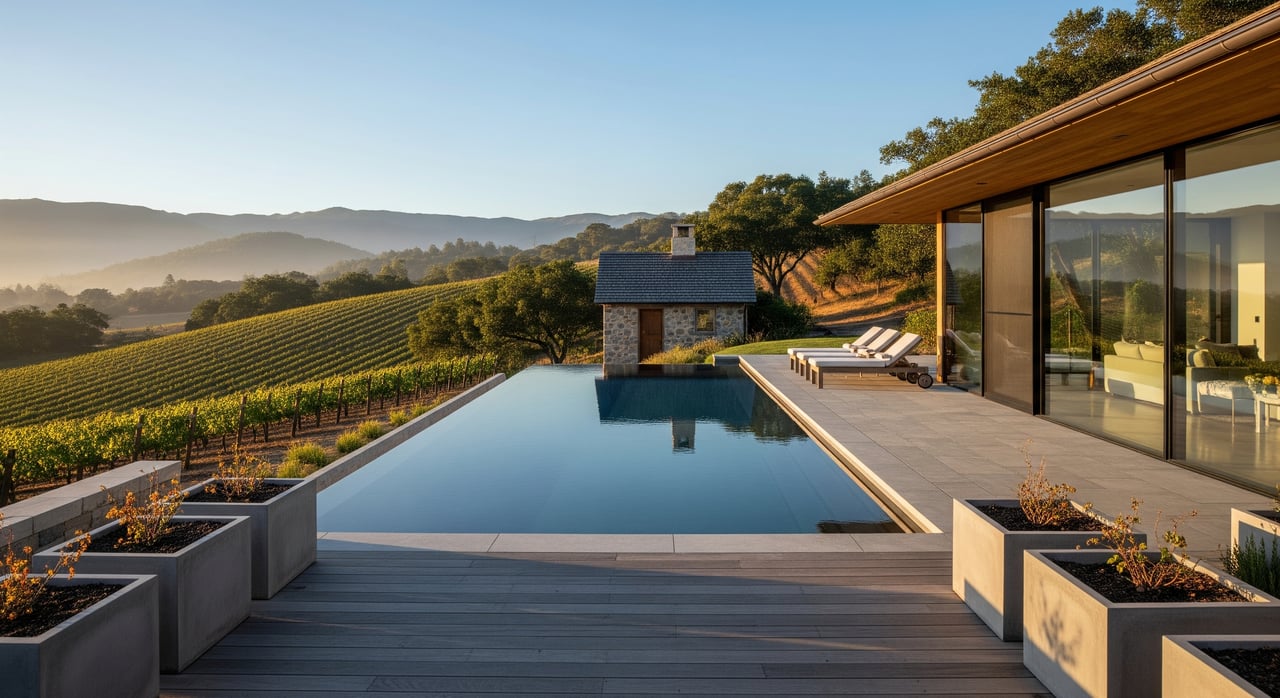
Thinking about a second home in wine country but torn between Napa and Sonoma? You are not alone. Both regions offer incredible scenery, food, and culture, yet the day-to-day lifestyle can feel very different. In this guide, you will see how the two areas compare on pace, privacy, dining and arts, outdoor experiences, access, and key ownership rules so you can choose with confidence. Let’s dive in.
Napa Valley delivers a compact, luxury-focused experience with high-end tasting rooms, boutique hotels, and fine dining concentrated along a linear valley. It suits you if you want polished hospitality and quick access to curated amenities.
Sonoma County spreads out across coast, river, redwoods, and multiple valleys. It offers broader variety, larger parcels, and a more eclectic mix of towns and outdoor options. It suits you if you value privacy, a quieter rhythm in many subareas, and diverse activities beyond vineyards.
Expect a refined hospitality culture and a smaller-town feel that can be busy in high season along main corridors like Highway 29. Residential pockets are peaceful, yet weekend traffic can be a factor near tasting rooms and resort areas. Properties often sit near vineyards, with smaller estate lots common close to town and ultra-private estates available at a premium.
The county’s size and geography create many different day-to-day experiences. Coastal and forested zones can feel very private, while centers like Healdsburg and Santa Rosa are lively without the same concentration of luxury tourism you find in Napa’s core. You will see more options for larger parcels, wooded retreats, and properties near the Russian River or coastline.
Dining skews toward fine dining and tasting menus, with a deep focus on wine and food pairings. Arts programming often ties to wineries, galleries, and boutique festivals. Evenings feel polished and relaxed, with wine bars and thoughtfully managed restaurant scenes.
You will find everything from fine dining in hubs like Healdsburg to casual farm-to-table spots, seafood along the coast, and small local producers. Arts are strong at the municipal and grassroots level, including theaters, music venues, galleries, and long-running community events. Nightlife is eclectic, with live music, breweries, outdoor concerts, and community gatherings.
The valley’s orientation brings warm summer afternoons and cool nights, with meaningful temperature swings. Outdoor recreation centers on hot-air ballooning, golf, scenic cycling, hiking in parks like Bothe-Napa Valley and Skyline Wilderness, and limited river activities on the Napa River.
Microclimates vary widely. The coast is cooler and foggier, inland valleys are warmer with frequent morning fog, and hillsides can shift conditions within short distances. Recreation spans coastal beaches and bluffs near Bodega Bay, redwood hikes, Russian River kayaking and swimming, mountain biking, equestrian trails, and quiet rural routes for walking or cycling.
Sonoma’s Charles M. Schulz–Sonoma County Airport in Santa Rosa offers convenient regional commercial flights for much of the county. The SMART rail connects Sonoma County to Marin and links to the Larkspur ferry. In Napa, most travelers use Oakland or San Francisco airports, while Napa County Airport serves general aviation and private charters.
Both regions sit roughly 1 to 2 hours from San Francisco and the broader Bay Area, depending on traffic and the specific town. Napa’s primary corridors, including Highway 29 and Silverado Trail, can be congested on weekends and during harvest. Sonoma’s rural and coastal routes cover longer distances, yet many areas are less congested outside peak seasons.
In Napa, local VINE transit and a strong network of chauffeured services and private drivers support the visitor economy. In Sonoma, personal vehicles are common due to the county’s spread-out geography, with local transit varying by town.
Napa Valley often carries higher prices, reflecting its prestige and concentrated luxury hospitality. Sonoma offers a wide range of price points, with some coastal or Healdsburg-area properties at the high end and many inland rural parcels offering larger acreage at potentially comparable or lower prices. Price dispersion is significant in both places.
Both counties regulate short-term rentals. Rules vary by city and the unincorporated county, and may include permits, caps, registration, occupancy limits, or special taxes. If rental income is part of your plan, verify legality and permitting for the exact parcel before setting expectations.
Agricultural zoning and preserve areas are common. These may affect development options, ADUs, and any plan to plant vines or add commercial hospitality. If you intend to farm or host tastings, you will need to review local use restrictions and permits.
Wildfire is a shared regional risk, and insurance availability and cost should be checked early in your process. Many rural properties use well and septic systems, which require careful inspection and ongoing maintenance. It is also wise to assess internet and cell coverage, generator readiness, air filtration, and defensible space.
Napa’s hospitality infrastructure supports robust concierge and property care options. In Sonoma, management logistics vary with distance between towns and the rural nature of some sites. If you plan to be away often, a consistent property care program can protect value and simplify ownership.
Whether you are drawn to Napa’s refined valley lifestyle or Sonoma’s coastal-to-river variety, the right fit comes down to how you plan to spend your time, the privacy you prefer, and how hands-on you want to be as an owner. If you want senior-level guidance and discreet, end-to-end support, connect with Jacqueline Wessel for tailored advice on properties across Napa Valley and Sonoma County, including in-house Home Concierge Services that make second-home ownership seamless.
Stay up to date on the latest real estate trends.

buyers-resources
Navigating Wine Country Real Estate With Ease and Expertise.
Real Estate
Essential Questions for Home Buyers at Seattle Open Houses
Real Estate
Understanding Your Las Vegas Homeowners Insurance Coverage
Real Estate
Transform Your Outdoor Space in [City Name] to Increase Property Appeal

Real Estate
Uncover Expert Insights and Solutions for Your Property Queries
Jacqueline possesses the sophistication to handle the wide range of situations that real estate agents face in today’s market, while her business background has helped her to develop the exceptional communication and problem-solving skills that an agent needs to be successful.